
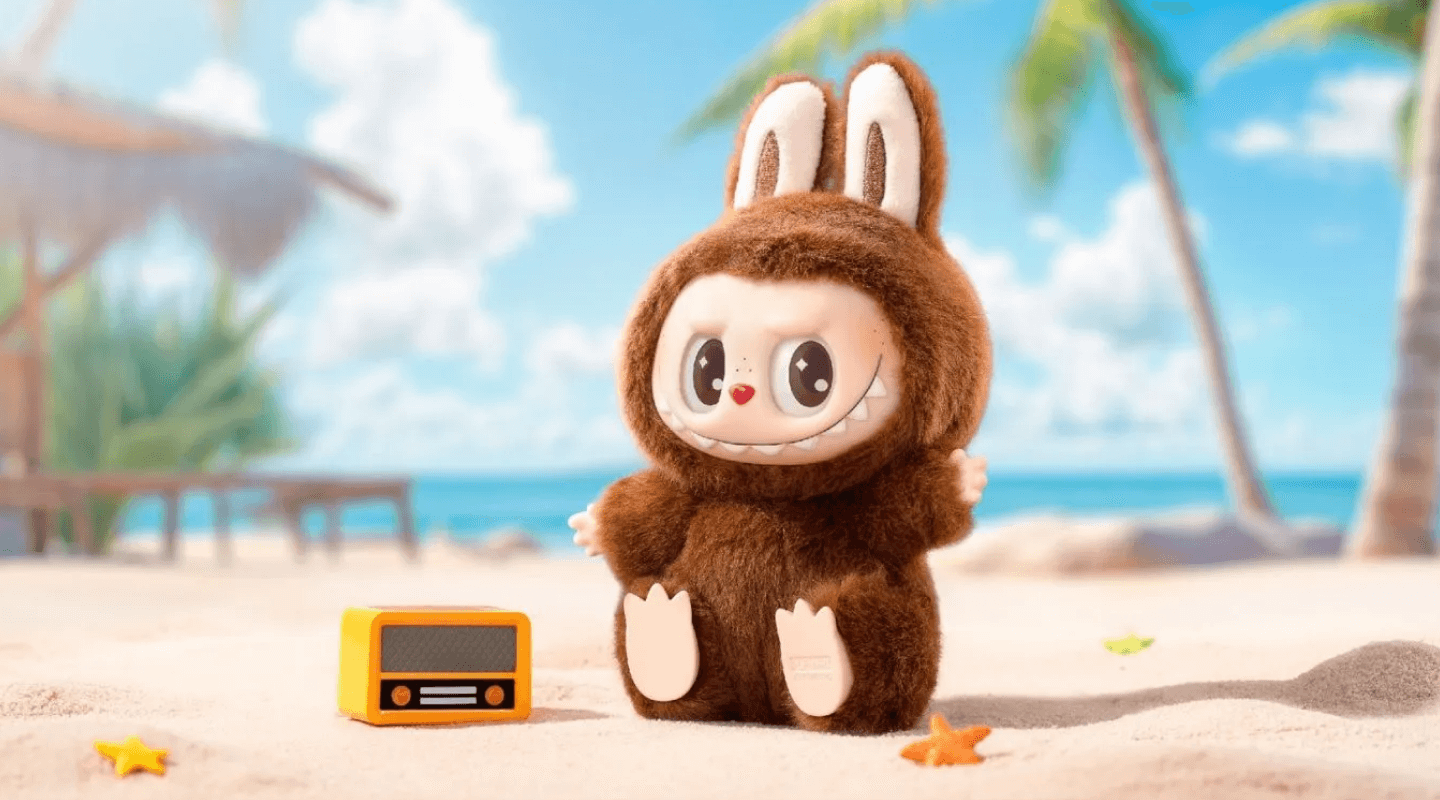
Sony Pictures announced November 14, 2025, that it has acquired screen adaptation rights to Labubu, the massively popular collectible plush toy line created by Hong Kong-born artist Kasing Lung, marking Hollywood’s latest strategic move to capitalize on toy-based entertainment franchises following blockbuster successes with The Lego Movie (2014) and Barbie (2023). The project remains in extremely early development stages with no director, screenwriter, producer, or cast currently attached, and Sony has yet to determine whether the film will be animated, live-action, or a hybrid approach—reflecting the studio’s exploratory phase as it navigates adapting a property with primarily visual appeal and cultural phenomenon status rather than existing narrative infrastructure. The Labubu movie announcement arrives amid explosive global popularity of the “cute-ugly” fuzzy monster collectibles, which exploded into mainstream consciousness in April 2024 following celebrity endorsements from Blackpink’s Lisa, Kim Kardashian, Rihanna, David Beckham, and others, creating a secondary collector market where rare editions sell for over $1,000 (with one child-sized Labubu reputedly selling for $150,000), while Pop Mart—the Chinese toy retailer manufacturing and distributing the dolls since 2019—reported 350 percent profit growth. The movie represents Sony’s aggressive expansion into toy-based adaptations, complementing its recent development of animated projects like KPop Demon Hunters and concurrent announcements with Mattel Films for a View-Master feature film, signaling Hollywood’s broader trend of mining consumer brands for cinematic universes as traditional IP franchises face audience fatigue and toy-to-screen adaptations demonstrate commercial viability at unprecedented levels.
What is Labubu: The Collectible Phenomenon
Origins and Creation: Labubu was originally conceived by Hong Kong-born, European-based artist Kasing Lung in 2015, first appearing in his children’s book series titled The Monsters. The designs were inspired by Nordic fairy tales and mythology that fascinated Lung during his childhood years in the Netherlands, infusing the creatures with mystical charm despite their deliberately “cute-ugly” aesthetics featuring fanged teeth, oversized eyes, and fuzzy bodies.
From Art to Collectibles: Kasing Lung’s original designs were initially produced by How2Work as part of a broader monster figurine line. However, the characters remained relatively niche until Chinese toy retailer and lifestyle brand Pop Mart acquired manufacturing and distribution rights in 2019, beginning widespread commercial production and marketing of Labubu plush dolls and collectible figurines.
The Blind Box Strategy: Pop Mart’s revolutionary sales approach involved selling Labubu toys in “blind boxes”—opaque packaging where buyers cannot identify which specific character or edition they will receive until opening. This mystery element transformed the buying experience into a gambling-like rush, creating compulsive collecting behavior that fundamentally contributed to Labubu’s explosive popularity. The unpredictability generates excitement and fuels repeat purchases.
The Characters: Building a Diverse Universe
Main Characters: Labubu’s expansive universe encompasses multiple distinct personalities and relationships. Lead character Labubu serves as the signature monster doll anchoring the entire franchise. Supporting characters include Zimomo (the tribe leader), Mokoko (companion character), Tycoco (boyfriend character), Spooky, Pato, and numerous others introduced through limited edition releases and cross-brand collaborations.
Series Variations: Pop Mart releases constant character variations including seasonal editions, collaboration editions (designer partnerships), secret rare editions, and special series like the “Big Into Energy” collection released in spring 2025. Each edition features distinctive designs, color palettes, and expressions, encouraging collectors to pursue complete sets across multiple release waves.
Secret Rare Editions: Particularly coveted “secret edition” Labubus occasionally appear randomly in blind boxes at minimal frequency (often 1-in-1000 odds), creating legendary status and astronomical secondary market prices. These ultra-rare variants have become objects of intense collector obsession and speculation.
Rise to Global Prominence: Celebrity Endorsements Drive Mania
The Lisa Moment (April 2024): Labubu’s explosive mainstream popularity traces directly to April 2024, when Blackpink member Lisa was photographed wearing a Labubu keychain and accessories. Her endorsement triggered viral social media momentum, transforming the collectibles from niche phenomenon into mainstream fashion statement overnight. K-pop communities amplified the trend, with collectors racing to acquire Lisa’s specific editions.
Celebrity Adoption Wave: Following Lisa’s endorsement, global celebrities rapidly embraced Labubu accessories. Kim Kardashian was spotted with multiple dolls, Rihanna adorned her Louis Vuitton bags with Labubu designs, Dua Lipa joined the collecting community, Emma Roberts posted unboxing content on Instagram, and even sports legend David Beckham participated in the trend. This cascade of A-list exposure transformed Labubu from curiosity into cultural phenomenon signaling status and trendiness.
Secondary Market Explosion: Celebrity visibility triggered unprecedented secondary market activity. Limited edition dolls reselling for $1,000+ became commonplace. Most shockingly, one child-sized Labubu reputedly sold for $150,000 at auction—a staggering valuation reflecting extreme collector passion and speculative investment behavior. Pop Mart’s profits soared 350 percent in 2024-2025.
The Sony Movie Project: Early Development Details
Announcement Date: November 14, 2025
Deal Status: Extremely nascent/early development stage with screen rights officially acquired by Sony Pictures from Pop Mart/creator Kasing Lung
Attached Talent: NONE – No director, screenwriter, producer, composer, cinematographer, or cast members are currently attached to the project
Format Undecided: Sony has not determined whether the film will be animated, live-action, or hybrid/blend of both formats—reflecting genuine uncertainty about optimal storytelling approach for property fundamentally built on visual collectible appeal rather than narrative infrastructure
Franchise Plans: Sony explicitly stated ambitions to develop the Labubu movie as foundation for a broader franchise if the initial feature achieves commercial success—mirroring franchise strategy employed by Marvel Studios, Disney, and other studios mining IP properties.
Studio Statement: When approached for details or comment, Sony Pictures declined to elaborate beyond confirming the acquisition and early development status.
Industry Context: Toy Adaptations as Blockbuster Strategy
The Barbie Phenomenon (2023): Greta Gerwig’s Barbie (2023) starring Margot Robbie and Ryan Gosling fundamentally transformed toy-to-screen adaptation perception within Hollywood. The film earned over $1 billion globally, received multiple Academy Award nominations, and demonstrated that toy brands could anchor major motion pictures attracting adult audiences beyond children. Its success encouraged studio executives to greenlight ambitious toy-based features.
The Lego Legacy: The Lego Movie (2014) pioneered toy-to-screen adaptation as viable blockbuster strategy, earning $469 million globally and spawning sequels, spin-offs, and expanded universe projects. The film’s creative excellence proved toy adaptations need not be cynical cash grabs.
Sony’s Toy Adaptation Expansion: Sony Pictures is aggressively pursuing toy-based IP alongside its successful animated films (KPop Demon Hunters, Jumanji franchise). Beyond Labubu, Sony and Mattel Films just announced development of a View-Master feature film, signaling comprehensive strategy to monetize toy brand recognition through cinematic storytelling.
Industry Trend Reversal: Historically, successful films generated toy merchandise. Now studios pursue inverse strategy: acquiring toy brands to develop films and series. This reversal reflects both toy industry’s cultural ubiquity and film industry’s hunger for pre-existing intellectual property with established fanbases and commercial viability.
Challenges and Opportunities: Translating Collectibles to Cinema
Narrative Challenge: Unlike established franchises with books, comics, or existing films, Labubu exists primarily as visual collectible art. There is minimal established narrative canon or character backstory for screenwriters to adapt. Sony must create original storylines grounded in Nordic mythology (Kasing Lung’s inspiration) while remaining faithful to character designs and collector community expectations.
Collector Community Sensitivity: Labubu’s passionate collector fanbase will scrutinize film adaptations intensely. Any perceived misrepresentation, character design changes, or narrative choices diverging from collector expectations could trigger backlash. Balancing mainstream appeal with collector community authenticity presents delicate creative challenge.
Format Decision Impact: Animation appears optimal given characters’ designed-for-visual appeal and fantastical Nordic mythology elements. Live-action adaptation would require extensive casting, prosthetic design, and CGI creation—substantially increasing production costs while risking uncanny valley effects. Hybrid approaches could blend strengths of both formats.
Cultural Sensitivity: Adapting Nordic mythology while respectfully incorporating Asian (specifically Chinese) collectible culture presents creative opportunity but requires cultural consultation and thoughtful representation decisions.
What Comes Next
Given the project’s extremely early development stage, significant timeline uncertainty exists. Industry experts expect Sony will spend 12-18 months in story development, working with screenwriters to establish narrative framework before attaching director or other key creatives. Given Labubu’s current cultural prominence, Sony likely aims for theatrical release within 3-5 years (2028-2030 window), capitalizing on brand recognition before collector enthusiasm potentially wanes.
No official release date, casting announcements, or creative team assignments are expected imminently, though entertainment media will likely receive project updates annually. If Labubu’s cultural momentum sustains and Sony successfully develops compelling narrative addressing collector expectations, the film could potentially replicate or exceed Barbie’s commercial and critical success—establishing Labubu as major franchise anchoring Sony’s animation and live-action divisions for the next decade.
