
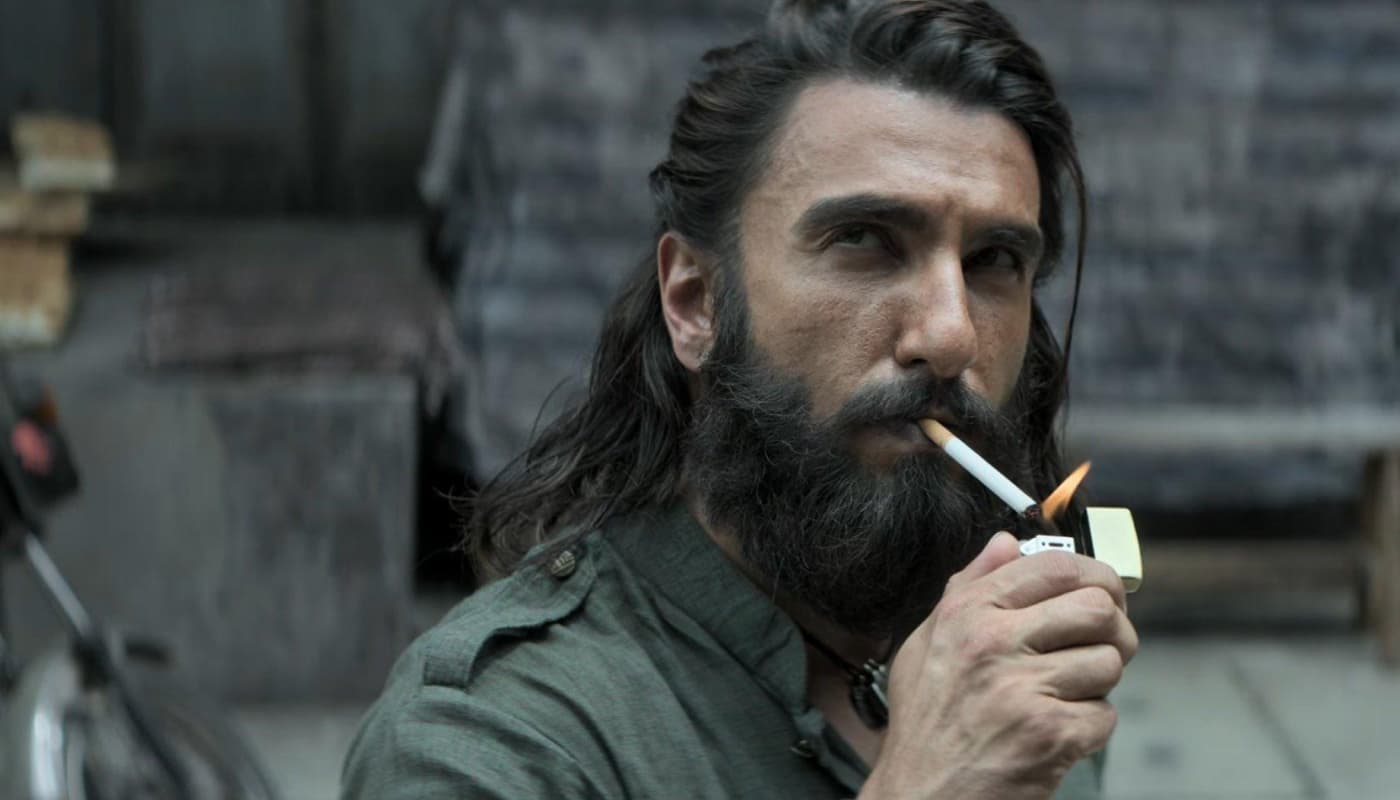
Dhurandhar is not a direct biopic of any one person, but it is clearly inspired by real events and real operations carried out by Indian intelligence in Pakistan. The film uses a fictional hero and dramatized plot, while weaving in documented incidents like the IC-814 hijacking, the 2001 Parliament attack, and Karachi’s Lyari gang wars.
Is Dhurandhar based on a real story?
Writer‑director Aditya Dhar has clarified that Dhurandhar is a fictional espionage thriller that takes strong inspiration from real-life incidents rather than being a straight biopic. The central character played by Ranveer Singh, an undercover Indian asset infiltrating Karachi’s underworld, is written as a composite figure – not officially named after any single soldier or officer.
The film’s world, however, is rooted in reality: censors and reports note that it is set against the twin backdrops of the IC‑814 hijack and the 2001 Parliament attack, and that it draws from covert missions conducted by India’s intelligence agency in Pakistan. So while the narrative is dramatized, many of the events and power structures you see on screen mirror what actually happened in South Asia’s terror and counter‑terror history.
Real events that inspired Dhurandhar
According to production notes and detailed explainers, Dhurandhar is “inspired by real-life incidents, geopolitical conflicts, and covert operations” involving India’s R&AW and Karachi’s Lyari crime syndicates. The script references:
– The 1999 IC‑814 Kandahar hijacking and the hostage negotiations that followed. – The 2001 Indian Parliament attack, which pushed Indian agencies to rethink their intelligence strategy. – Operation Lyari – the Pakistan‑backed crackdown on Lyari gangsters like Rehman Dakait and the later rise of figures such as Chaudhry Aslam Khan.
Several characters are loosely modelled on real people: reports link Sanjay Dutt’s police officer to Karachi’s encounter specialist Chaudhry Aslam, and Akshaye Khanna’s gangster to Rehman Dakait, the infamous “king” of Lyari who was killed in an encounter. At the same time, the film takes creative liberties with timelines, relationships and outcomes to build a cinematic, eight‑chapter spy saga.
Why people think it’s a true story
The confusion comes from how convincingly Dhurandhar blends fact and fiction. The marketing highlights that it is “inspired by true events” and sets its drama around real attacks and real gang wars, which naturally makes viewers ask who the “real” Hamza/Jaskirat is. Families of decorated officers like Major Mohit Sharma have even publicly wondered if the film is secretly about him, prompting the director to state that it is not an official biopic.
In reality, Dhurandhar works best if you see it as a fictional tribute to unnamed operatives and complex cross‑border missions, stitched together from many files and headlines rather than telling one person’s declassified story. That human layer – a young convict turned asset, torn between survival, duty and guilt – is what gives the film its emotional punch, even as the larger canvas mirrors some of South Asia’s darkest real chapters.
