
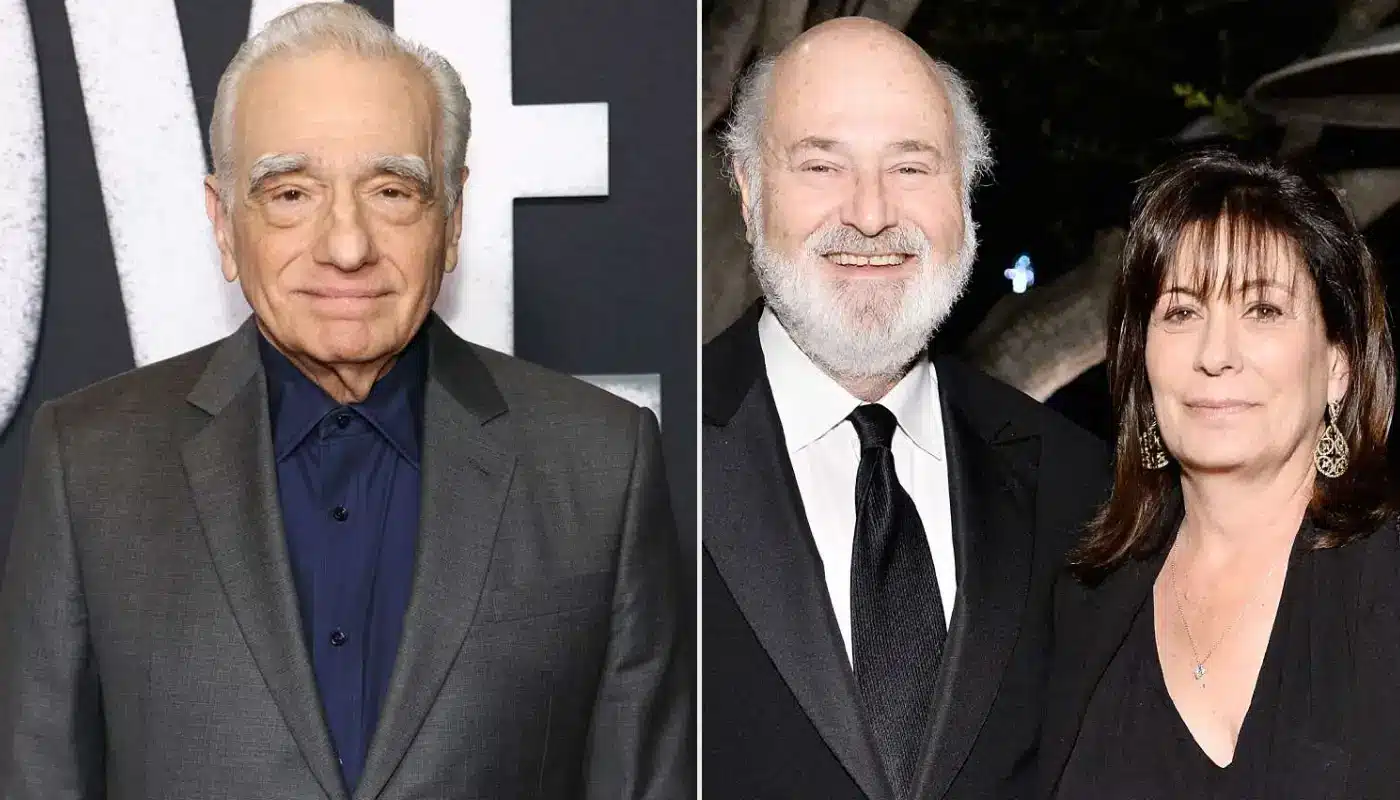
Martin Scorsese has penned a deeply moving tribute to his longtime friend Rob Reiner in The New York Times, remembering the director’s infectious laugh, comedic genius, and the profound personal bond they shared for over five decades. The essay, published on Christmas Day, captures Scorsese’s heartbreak over Reiner and wife Michele’s tragic deaths while celebrating their irreplaceable friendship.[
1970s Comedy Scene: Where Legends Met
Scorsese recalls first meeting Reiner in the early 1970s Los Angeles comedy scene at improv gatherings hosted by Ace Trucking Company member George Memmoli. “Right away, I loved hanging out with Rob. We had a natural affinity for each other,” Scorsese writes of their instant connection. He describes Reiner as “hilarious and sometimes bitingly funny, but… never the kind of guy who would take over the room,” praising his “beautiful sense of uninhibited freedom” and “great barreling laugh.”
Their friendship blossomed through shared passions for film, comedy, and life itself. Scorsese notes Reiner’s ability to fully embrace the moment, creating memories that spanned decades of dinners, collaborations, and mutual admiration.
Scorsese’s Reiner Favorites: Misery & Spinal Tap
The Oscar winner singles out “Misery” (1990) as Reiner’s best work: “a very special film, beautifully acted by Kathy Bates and James Caan.” He calls “This Is Spinal Tap” (1984) “in a class of its own… an immaculate creation,” cementing its status as the definitive rock mockumentary. Scorsese’s specific praise elevates these films within Reiner’s legendary canon.
These endorsements from cinema’s master director validate Reiner’s versatility—from perfect comedy to psychological horror—while underscoring their mutual artistic respect.
The Wolf of Wall Street: On-Screen Magic
When casting Jordan Belfort’s father in his 2013 masterpiece, Scorsese “immediately thought of Rob.” Reiner’s performance as Max Belfort became one of the film’s emotional anchors. “He could improvise with the best, he was a master at comedy, he worked beautifully with Leo,” Scorsese remembers of Reiner’s chemistry with Leonardo DiCaprio.
Scorsese highlights a pivotal scene where Reiner’s character watches DiCaprio hesitate to escape scandal: “The look on Rob’s face… is so eloquent. ‘You got all the money in the world. You need everybody else’s money?'” He calls the performance “delicacy and openness,” moving him during filming, editing, and final viewing.
Profound Sadness: “An Obscenity, An Abyss”
The essay opens with raw grief: “Rob Reiner was my friend, and so was Michele. From now on, I’ll have to use the past tense, and that fills me with such profound sadness. But there’s no other choice.” Scorsese describes their deaths as “an obscenity, an abyss in lived reality,” referencing the tragic circumstances surrounding their Brentwood home discovery on December 14.
He extends condolences to their family, acknowledging the unimaginable loss while emphasizing Reiner’s vast circle of friends who now mourn together.
A Final Wish: Imagining Rob Alive
Scorsese concludes hoping to “imagine them alive and well,” picturing a future dinner where he hears Reiner’s laugh again: “feel lucky all over again to have him as a friend.” This tender vision transforms personal grief into universal celebration of Reiner’s joyful spirit.
Reading Scorsese’s words hit differently as someone who grew up quoting Spinal Tap and crying over Stand By Me—these weren’t just films, they were cultural touchstones. Two masters mourning captures why Reiner mattered: he made us laugh harder, feel deeper, and remember friendship’s true meaning. This tribute ensures his barreling laugh echoes forever.
