
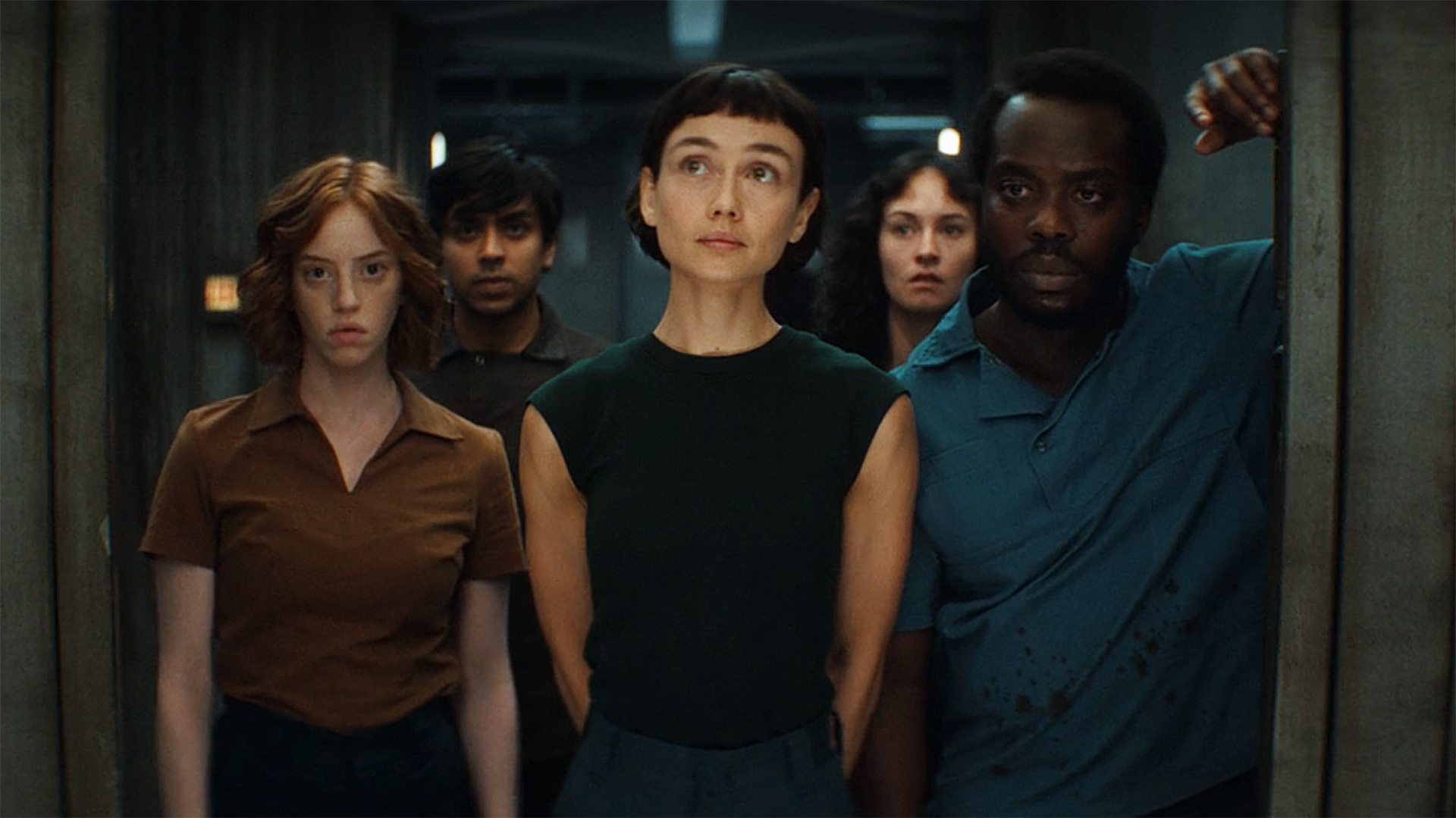
As Alien: Earth‘s first season concluded on FX and Hulu in September 2025, fans and critics found themselves facing a familiar and frustrating uncertainty: will the ambitious prequel series return for Season 2, or will it join the long list of Alien franchise projects left unresolved on the cutting room floor? Despite critical acclaim (96% on Rotten Tomatoes), creator Noah Hawley’s bold reimagining of the legendary sci-fi horror universe ended with significant cliffhangers and narrative threads begging for continuation—yet FX and Disney have remained conspicuously silent about renewal prospects. The lack of official confirmation, combined with the show’s expensive production requirements (ambitious VFX, all-star cast, complex practical effects) and streaming’s notoriously unpredictable decision-making processes, has created a perfect storm of anxiety. If Alien: Earth is canceled without a second season, it won’t be the first time the Alien franchise has abandoned compelling television projects mid-story, contributing to a troubling pattern where ambitious science fiction narratives go unresolved, leaving audiences frustrated and the franchise’s expansion efforts in chaos.
Alien: Earth Season 2 Renewal Status Remains Uncertain
Season 1 Finale Date: September 23, 2025 | Official Renewal Status: No confirmation from FX or Disney (as of November 3, 2025) | Creator’s Stance: Designed for multiple seasons, requires Disney approval | Production Timeline (If Renewed): Could take up to 3 years before Season 2 premiere | Cliffhanger Status: Unresolved—demanding continuation
Alien: Earth‘s Season 1 wrapped in September 2025, leaving audiences in a state of creative limbo. Creator Noah Hawley has publicly stated that the show was “designed to be a recurring series” and that he’s been “really thinking about where I would take the show going forward.” However, FX and Disney have remained silent on renewal prospects. In interviews with Variety, Hawley acknowledged that the decision ultimately rests with Disney, and that while he has urgency to move forward quickly, the corporate decision-making process could significantly delay any potential return.
Hawley framed Season 1 as “the proof of concept,” suggesting that its commercial and critical performance would directly determine the likelihood of Season 2. The apparent lack of official confirmation months after the season finale—combined with the show’s substantial budget (all-star cast, extensive VFX demands, practical effects production)—has created palpable anxiety among the fanbase about whether the series will return at all.
Critical Acclaim But Uncertain Commercial Performance
Rotten Tomatoes (Critics): 96% | IMDB User Rating: 7.2/10 (3.6K reviews) | Critical Reception: “Intelligent and thought-provoking bloodbath,” “Andor for Alien,” praised for striking visuals and creature design | Audience Reception: Mixed—praising ambition and world-building, criticizing character development and third-act pacing
Alien: Earth arrived to significant critical fanfare, with reviewers highlighting its thoughtful approach to the franchise’s mythology and its impressive technical execution. The series earned a remarkable 96% on Rotten Tomatoes, suggesting broad critical consensus that Hawley and his team delivered something genuinely worthwhile. Reviewers specifically commended the show’s “fresh take on the Alien universe,” its “striking visuals,” and the introduction of psychedelic alien designs that feel simultaneously familiar and innovative.
However, audience reception has proven more complicated. While many viewers appreciate the series’ ambition and expanded world-building, others criticized inconsistent character development, plot holes, and what some perceived as underdeveloped narrative threads. IMDB’s 7.2/10 rating—while respectable—suggests the fanbase remains divided about the show’s ultimate merit. Critically, the show’s commercial viewership numbers remain undisclosed, preventing any accurate assessment of whether it actually performed well enough to justify the substantial renewal investment.
The Cast and Creative Team Behind Alien: Earth
Creator, Showrunner, and Executive Producer: Noah Hawley | Lead Cast: Sydney Chandler, Alex Lawther, Timothy Olyphant, Essie Davis, Samuel Blenkin, Babou Ceesay, Adarsh Gourav | Directors: Dana Gonzales, Ugla Hauksdóttir, Noah Hawley | Setting: Year 2120 (2 years before the original 1979 Alien film)
Sydney Chandler as Wendy — The emotional core of the series. Wendy is a hybrid—a human consciousness transferred into a synthetic adult body, creating an individual caught between humanity and artificiality. Chandler earned particular praise for her naturalistic performance, with reviewers highlighting her emergence as a “naturally charismatic leader” and speculating about future star power following the success of FX’s Pistol. Her portrayal grounds the series’ existential themes in genuine human emotion.
Alex Lawther as CJ “Hermit” — A human soldier and medic, Lawther brings the “captivating humanity that made him the heart of Andor” to the role. His performance anchors the story’s human element amid corporate dystopia and xenomorph terror.
Timothy Olyphant as Kirsh — A synthetic mentor figure. Olyphant “perfectly parlays his inhuman beauty and louche charm” into an unsettling character, creating moments of genuine menace amid the larger horror narrative.
Additional Cast: Essie Davis (Dame Silvia), Samuel Blenkin (Boy Kavalier—CEO of the Prodigy Corporation), Babou Ceesay (Morrow), Adarsh Gourav (Slightly), Kit Young (Tootles), David Rysdahl (Arthur), Jonathan Ajayi (Smee), Erana James (Curly), Lily Newmark (Nibs)
Noah Hawley’s Vision: Noah Hawley (creator of FX’s Fargo and Legion) brings his characteristic visual flair and complex narrative construction to Alien: Earth. He directed several episodes alongside Dana Gonzales and Ugla Hauksdóttir, ensuring creative coherence throughout the season. Ridley Scott, the original director of 1979’s Alien, serves as an executive producer, lending both credibility and continuity to the prequel narrative.
The Franchise Problem: A History of Unresolved Projects
If Alien: Earth is canceled without a second season, it would continue a troubling pattern within the Alien franchise—leaving ambitious television projects unresolved mid-narrative. The franchise has a documented history of launching compelling stories only to abandon them when cost considerations overwhelm commercial calculations. These cancellations create fan frustration and undermine the franchise’s ability to build sustained, interconnected narratives across multiple mediums.
This pattern differs significantly from how other major franchises (Star Trek, Marvel, Star Wars) manage their television extensions. Those franchises prioritize narrative continuity and franchise building, even when individual projects face critical or commercial challenges. The Alien franchise, by contrast, has made cancellation decisions that seem driven primarily by immediate financial ROI rather than long-term franchise health.
Production Challenges and Timeline Concerns
Season 1 Production Timeline: Development began in early 2019; pre-production started April 2023; principal photography began July 2023 but halted in August 2023 due to the SAG-AFTRA strike; filming resumed April 2024 and concluded July 2024; premiered August 12, 2025 (13 months post-production)
Potential Season 2 Timeline (If Renewed): Up to 3 years between seasons due to VFX demands, extensive practical effects requirements, post-production complexity, and streaming’s extended production cycles
Alien: Earth‘s production challenges mirror those of prestige television generally. The show’s substantial budget (driven by the all-star cast, practical effects, VFX complexity, and expensive set design) requires careful financial planning. Prestige television now operates at budgets comparable to major motion pictures, making individual cancellation decisions significantly more consequential than in earlier eras of cheaper television production.
Creator Noah Hawley acknowledged this challenge candidly: “Certainly, I don’t want the show to be off the air for any longer than it absolutely has to be. So, there’s some urgency there to get us going as quickly as possible. But ultimately, this is a Disney decision.” The corporate bureaucracy required for Disney to approve a new season—particularly one requiring significant investment—could delay renewal confirmation for months or even longer, creating uncertainty that harms production planning and audience anticipation alike.
Where to Watch Alien: Earth
United States: FX and FX on Hulu | Starting Price: Hulu: $9.99/month (with ads) or $23.99/month (ad-free) | International: Disney+ globally (under Star hub) | India: JioHotstar (available until September 24, 2025)
Alien: Earth premiered simultaneously across platforms on August 12, 2025, in the United States and August 13, 2025, internationally. The series premiered with a two-episode drop, followed by weekly releases of remaining episodes concluding September 23, 2025. All eight episodes are now available for streaming, allowing new viewers to binge the entire season and experience the unresolved cliffhangers that have audiences anxiously awaiting renewal confirmation.
Final Verdict: The Need for Continuation
Alien: Earth represents exactly the kind of ambitious, thoughtfully-executed television that should merit continuation. With 96% critical acclaim and a show specifically designed for multiple seasons, the absence of a renewal announcement remains frustrating. Whether Disney’s silence reflects financial uncertainty, bureaucratic delay, or genuine hesitation about Season 2 remains unclear. What is clear is that if the series is ultimately canceled without resolution, it will join a troubling Alien franchise pattern of abandoning compelling narratives—a decision that would disappoint audiences and undermine the franchise’s long-term health.
