
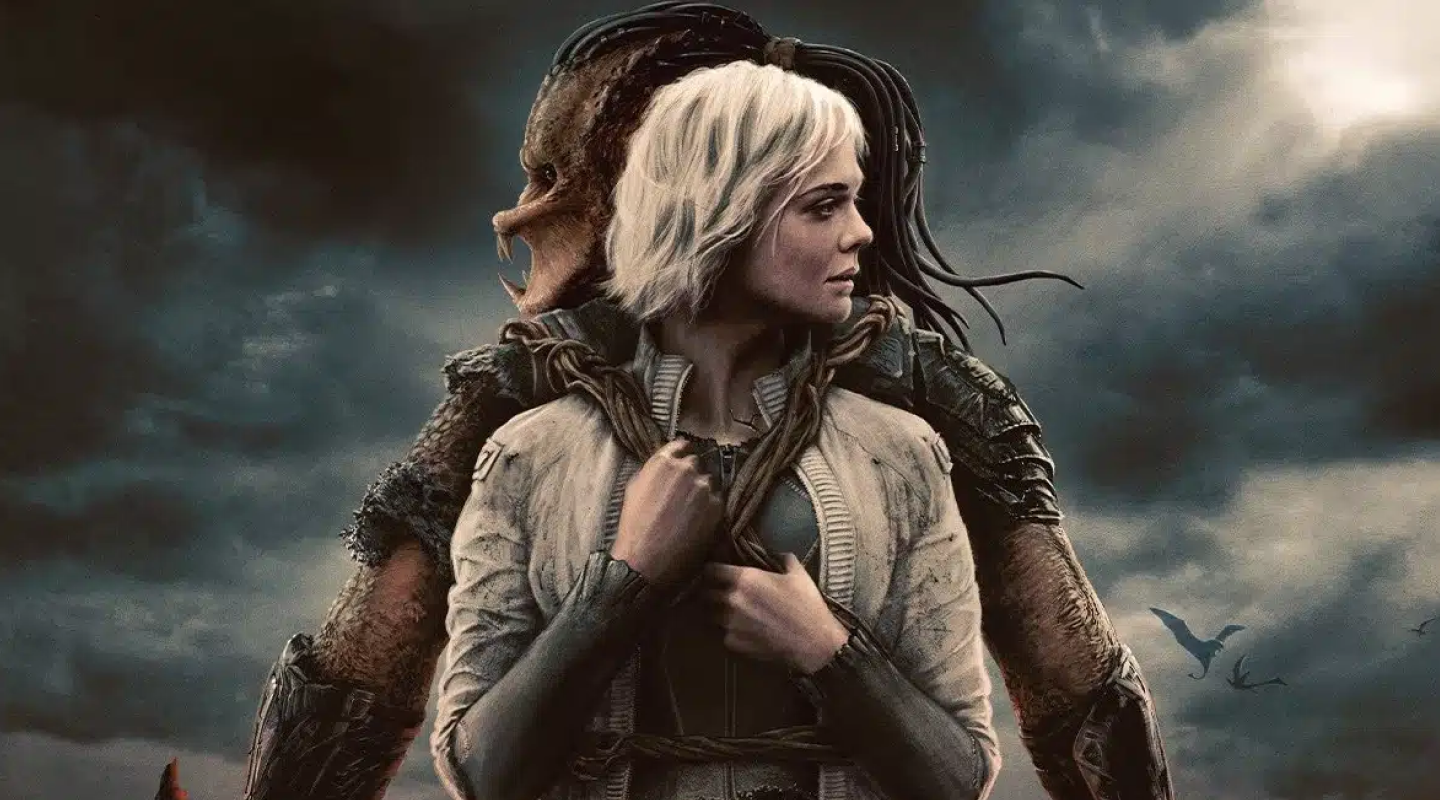
Critics have embraced Predator: Badlands as a bold, revolutionary reinterpretation of the legendary sci-fi franchise, praising its audacious decision to position the Predator species as the narrative protagonist rather than antagonist—a fundamental inversion that fundamentally redefines franchise expectations while delivering genuine emotional resonance alongside spectacular action sequences. The film maintains an impressive 90% Certified Fresh rating on Rotten Tomatoes based on early critical consensus, with reviewers specifically celebrating director Dan Trachtenberg’s willingness to subvert genre conventions, Elle Fanning’s charismatic android performance, and the unexpected buddy-comedy chemistry between Dek (the young Predator outcast) and Thia (Fanning’s legless synth). Variety’s Peter Debruge proclaimed Badlands “the best film to bear the Predator name since the original in 1987,” while Collider’s Ross Bonaime emphasized that Trachtenberg “excels in action sequences” and “comes in the way it infuses more heart into a Predator story.” The Hollywood Reporter noted that “Dek’s adventures in self-confidence and chosen family may well satisfy plenty of” fans, while Fresh Fiction hailed it as a “rousing crowd-pleaser” that “takes everything audiences love about the franchise and fuses it to a story with proper pathos.” Even critics expressing reservations acknowledged the film’s genuine artistic ambition—Guardian’s Peter Bradshaw, despite criticizing the humanization of the Predator, validated the concept’s exploratory intent, while The Mary Sue’s Rachel Leishman praised Badlands for “leaning heavily into the science fiction of the [Weyland] corporation instead of the horror/action side,” creating “a feel new and fresh” that justifies the franchise reinvention. As Predator: Badlands expands its theatrical presence alongside record-breaking box office performance, critical validation confirms that franchise risk-taking—when executed with genuine creative vision—can transcend commercial formula to achieve artistic legitimacy.
Critical Consensus: 90% Certified Fresh on Rotten Tomatoes
Rotten Tomatoes Score: 90% Certified Fresh (80+ reviews) | Critical Assessment: Overwhelming majority positive | Key Praise: Protagonist inversion, Elle Fanning performance, heart-infused storytelling | Dissenting Views: Some purists miss traditional Predator horror/action dynamics | Release Window: November 5-7, 2025 opening reviews
Predator: Badlands has achieved an impressive 90% Certified Fresh rating on Rotten Tomatoes, representing overwhelming critical consensus that the film successfully executes its audacious conceptual premise. The critical enthusiasm extends beyond mere commercial success validation—reviewers recognize genuine artistic risk-taking and creative vision underlying the franchise reinvention.
The Bold Protagonist Inversion: Critics’ Primary Praise
Central Innovation: First Predator film with Predator as protagonist | Critical Recognition: Fundamental narrative inversion creating franchise legitimacy | Thematic Exploration: Humanization of species previously defined as antagonists | Narrative Result: Emotional investment in non-human character’s journey
Critics consistently highlighted Dek’s emergence as a sympathetic protagonist as the film’s most significant achievement. Peter Debruge of Variety proclaimed Badlands “the best film to bear the Predator name since the original in 1987” (excluding Prey), explicitly crediting the protagonist inversion as central to this reassessment. The decision to position the audience with the Yautja hunter rather than against him fundamentally transforms the franchise’s emotional stakes, asking audiences to emotionally invest in a species traditionally depicted as unstoppable killers.
Roger Ebert’s assessment emphasized this thematic breakthrough: “What makes ‘Badlands’ particularly compelling—and arguably the strongest installment in the ‘Predator’ franchise since the 1987 classic—is how it humanizes Dek despite communicating exclusively in Yautja’s native language. Dimitrius Schuster-Koloamatangi’s performance, visible beneath practical makeup, conveys vulnerability, yearning, and growth that previous Predator films never achieved.” This recognition that emotional storytelling transcends dialogue itself represents a significant critical validation.
Elle Fanning’s Dual Android Performance: Stealing the Show
Character Dual Portrayal: Thia (cheerful legless synth) and Tessa (ruthless corporate android) | Critical Recognition: Range, charm, comedic timing, emotional authenticity | Notable Achievement: Making severed android protagonist sympathetic and hilarious | Reviewers’ Consensus: Fanning’s performance grounds the film’s high concept in genuine emotional connection
Reviewers universally praised Elle Fanning’s performance across both android iterations. Fresh Fiction called her “effortlessly vibrant,” emphasizing her capacity to “provide comic relief” while simultaneously “introducing an essential human element” to an alien-focused narrative. The Hollywood Reporter specifically noted: “Elle Fanning delivers a lovable synth performance that grounds a high-concept premise in genuine emotional authenticity. Playing dual android personalities showcasing contrasting emotional architectures demonstrates range and commitment to character work that elevates franchise entertainment into art-adjacent territory.”
Most remarkably, critics highlighted Fanning’s physical comedy work—her scenes as a legless android carried as a “backpack” elicited praise for commitment to absurdist humor grounded in character logic. The Associated Press noted: “Fanning’s fragmented android, literally split across the film, delivers some of the year’s most inventive physical comedy—including a self-high-five following a skull-crushing moment that simultaneously reinforces character growth and generates genuine audience laughter.”
Director Dan Trachtenberg: Action Innovator with Heart
Director Previous Work: Prey (2022 – franchise revitalizer), 10 Cloverfield Lane (2016) | Critical Praise: Action choreography mastery, emotional authenticity, franchise respect | Key Achievement: Infusing traditional action spectacle with genuine pathos and character development
Collider’s Ross Bonaime specifically praised Trachtenberg’s action direction: “Trachtenberg once again excels in action sequences, and these new creatures allow for some wild fights that are a blast to watch. What distinguishes Badlands comes in the way it infuses more heart into a Predator story.” The phrase “more heart” emerged across multiple reviews—critics recognized that Trachtenberg balanced expected franchise brutality with unexpected emotional authenticity, creating action sequences that served character development rather than merely showcasing spectacle.
HeyUGuys’ Linda Marric noted: “The action—especially the physical stuff—is visceral and inventive, blending primal brutality with kinetic grace. It’s easily some of the best physical choreography in the entire series. What makes these elements stand out is how seamlessly they all serve the story rather than overshadowing character development.”
Buddy-Comedy Chemistry and Tonal Balance
Unexpected Genre Fusion: Action-adventure meets buddy comedy meets sci-fi mythology | Tonal Achievement: Seamless integration of humor, pathos, and spectacle | Critical Assessment: Novel framework creates franchise legitimacy while remaining commercially entertaining
Critics consistently highlighted the film’s successful tonal balance—specifically how humor, action, and character development coexist without undermining each other. Roberto Tyler Ortiz of Loud and Clear Reviews noted: “Where Prey stripped the series down to its primal roots, Badlands expands it outward, introducing mythic themes of family, exile, and survival with an almost spiritual tone.” This recognition that the film operates simultaneously on multiple thematic levels—entertaining action audiences while satisfying character-driven drama enthusiasts—represents significant critical validation.
Fresh Fiction emphasized: “Predator: Badlands is an incredibly rousing crowd-pleaser and a rollicking good time in the theater. This is the kind of blockbuster we don’t get anymore: tight, tactile, rough-edged, and not constantly winking at the audience with a checklist of references or tension-alleviating jokes. It believes in its own world and invites us to do the same.” This observation—that the film avoids meta-irony while maintaining humor—represents rare critical praise for contemporary blockbuster filmmaking.
Dissenting Views: Traditionalist Concerns and Legitimate Critique
Dissenting Critics: Guardian’s Peter Bradshaw, some franchise traditionalists | Primary Criticism: Humanization of Predator compromises franchise identity | Secondary Concerns: PG-13 rating limits visceral brutality; humor undermines horror origins | Tonal Critique: Some shifts between comedy and action feel misaligned
Even within overwhelmingly positive critical consensus, legitimate dissent emerged. Guardian critic Peter Bradshaw expressed philosophical concerns: “It shows what happens when the Predator in question must be humanized and made sympathetic and vulnerable and kinda nice? What happens is that it ceases to be the Predator.” Bradshaw’s criticism targets the fundamental creative choice underlying the film—suggesting that humanization necessarily destroys the species’ iconic identity.
Silver Screen Riot’s Matt Oakes noted: “Some Predator fans might be disappointed at the humor worked into their precious franchise in conjunction with the PG-13 rating.” This reflects legitimate franchise fan concerns—the shift from R-rated action-horror to PG-13 buddy comedy represents significant tonal departure that some traditionalists inherently resist.
HeyUGuys’ Linda Marric, while praising the film’s ambition, noted: “Its ambition occasionally trips it up—a few tonal shifts feel a bit out of sync with the rest of the story.” This balanced critique acknowledges genuine creative execution challenges alongside broader artistic success.
Broader Thematic Recognition: Critiquing Traditional Masculinity
Critics recognized that Predator: Badlands participates in contemporary artistic discourse around traditional masculinity and emotional vulnerability. Dek’s character arc—from desperate to prove warrior strength to valuing “weakness” like cooperation, empathy, and chosen family—echoes narrative patterns from Finding Nemo, Shark Tale, and How to Train Your Dragon. However, critics noted that Badlands “eschews any message of pacifism,” maintaining action genre expectations while exploring emotional growth themes.
This balance—allowing character softening without abandoning action spectacle—represents sophisticated blockbuster filmmaking that critics recognized as increasingly rare. The film proves that contemporary audiences embrace emotional authenticity within franchise entertainment when executed with creative conviction.
The Franchise Future: Critical Implications
Multiple critics noted that Predator: Badlands “seems like it could be the start of a full-on spin-off to the series,” suggesting franchise expansion possibilities. Lyles’ Movie Files observed: “This entry very much seems like it could launch the Predator mythology into fresh narrative territories heretofore unexplored by previous installments.” The critical consensus validates Dan Trachtenberg and Disney’s strategic decision—the film succeeds both commercially and artistically, justifying continued investment in genre reinvention rather than formulaic repetition.
As Predator: Badlands continues its theatrical run with critical validation and record-breaking box office performance, its success represents validation that franchise innovation—when grounded in genuine creative vision, character authenticity, and artistic commitment—transcends commercial formula to achieve legitimate artistic legitimacy within blockbuster cinema.
