
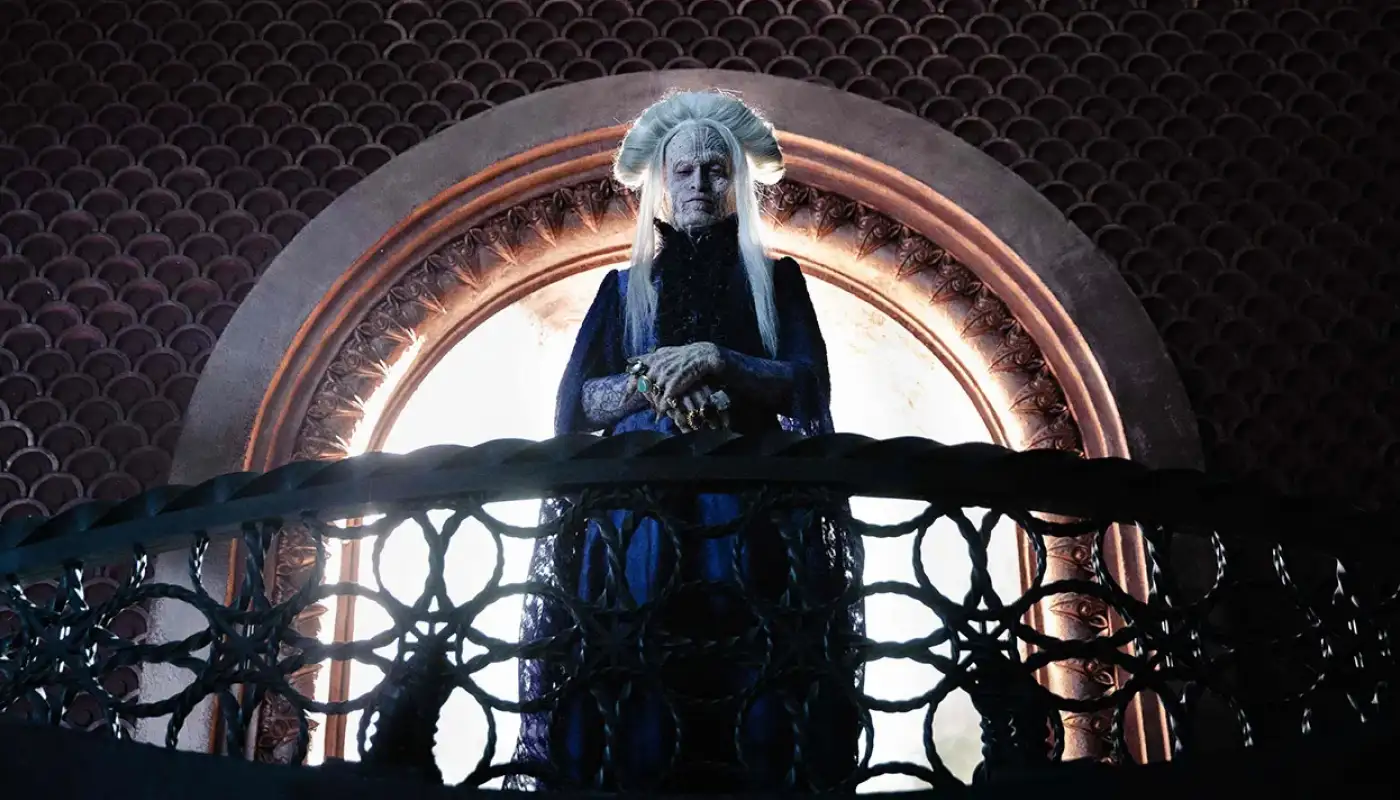
Director Luc Besson returns in 2026 with a bold and unexpected reimagining of Bram Stoker’s classic vampire tale in Dracula: A Love Tale. A blend of gothic romance, horror, and fantasy, the film reinvents Count Dracula not merely as a monster but as a tragic figure driven by love across centuries. This review covers the plot summary, cast performances, audience response, and how the movie is performing commercially — all tailored for search engines and real viewers alike.
Plot Summary: Dracula A Timeless Vampire Tale.
Dracula opens in the year 1480, with the noble prince Vlad (played by Caleb Landry Jones) witnessing the senseless death of his beloved wife, Elisabeta. Distraught by her loss, Vlad renounces God, damns his soul, and becomes the immortal creature known as Dracula — a vampire cursed to roam the earth forever.
Instead of leaning solely into horror, Besson’s adaptation emphasizes a centuries-spanning love story. Dracula carries the weight of Elisabeta’s death for hundreds of years, believing that her reincarnation exists somewhere in the world. The narrative shifts from medieval battlefields to 19th-century Paris, where Dracula encounters Mina Murray, a modern woman whose resemblance to his past love ignites old flame and old pain alike.
Throughout the film, the vampire’s journey is juxtaposed with scenes of opulent gothic landscapes, eerie castles, and dramatic face-offs. Christopher Waltz’s character — a determined priest — leads the charge to stop Dracula, deepening the conflict between divine purpose and cursed destiny. The story aims to fuse romance and myth, turning Dracula into a sympathetic hero rather than a purely feared villain.
Cast Details: Bringing the Characters to Life
One of Dracula’s biggest strengths is its charismatic cast:
The film’s musical score by Danny Elfman augments its atmosphere with sweeping, gothic themes — a crucial ingredient in blending romance with suspenseful horror.
Audience Reviews: Loved, Hated, and Everything in Between
Since its release in early 2026, Dracula has elicited mixed reactions from both critics and audiences:
Positive Feedback:
Many viewers appreciate the film’s distinctive romantic angle and rich visuals. Supporters highlight Caleb Landry Jones’ performance as a daring reinterpretation of Dracula, praising his emotional depth and screen presence. Besson’s ambition to blend love story and horror elements has won admiration from fans who enjoy stylistic boldness over traditional fear-focused narratives.
Critical Voices:
Critics and some audience members have been less enthusiastic, calling the story uneven and at times confusing. Some reviews describe Besson’s Dracula as stylistically bold yet emotionally slippery, with moments that seem more like parody than mythology. A few viewers have even expressed disappointment with the romance elements and pacing.
This divided response reflects a broader trend: Dracula is not a conventional vampire film, and expectations vary widely depending on whether viewers want horror, romance, or a fusion of both.
Mixed Reviews:
Rotten Tomatoes reflects a split reaction with a critics’ score hovering around the mid-50s, indicating that while some embrace its creativity, others feel the execution is inconsistent. Many point out the film’s tone shifts — from terrifying to whimsical, serious to campy — as both intriguing and jarring.
Box Office Collection: How Is ‘Dracula’ Performing?
Commercially, Dracula: A Love Tale has had a modest trajectory compared to big-budget studio blockbusters. The reported global box office gross stands around $31.3 million, which falls short of its estimated €45 million ($52 million) production budget — signaling a lower-than-expected theatrical return.
However, the film has shown regional pockets of success, with strong performances in international markets like Russia, where it outpaced other foreign films in ticket sales at points during its run.
Several factors influence this box office outcome: competition from major releases, mixed critical buzz, and the film’s hybrid genre approach that doesn’t fit neatly into established viewer categories. Nevertheless, box office numbers only tell part of the story — Dracula is carving its own niche that could gain traction over time, especially through home video and streaming platforms after its theatrical window.
🧛 Final Verdict: A Bold, Divisive Vampire Tale
In Dracula: Luc Besson 2026, audiences are confronted not with a traditional horror film, but with a gothic romance that defies expectation. Its strengths lie in vivid performances, especially Jones’ magnetic Dracula, and lush production design that brings gothic fantasies to life. Yet its uneven tone and narrative experimentation make it a film you either love or love to debate. Whether you’re a die-hard Dracula aficionado or simply curious about this stylistic reinterpretation, this adaptation offers a uniquely emotional journey. It may not satisfy purists looking for sheer terror, but it stands as a distinctive cinematic experience with heart, history, and haunting visuals.
Final thought: In a sea of reboots, Dracula bites deepest by embracing the absurd humanity in immortality. Who’s your favorite screen Dracula? Sound off below—worth the stake? 🎥🧛♂️
