
Post-credit scenes transformed casual moviegoing into detective work—sudden black screen, ominous music, Samuel L. Jackson’s eyepatch reveal in Iron Man (2008) shocked audiences into staying seated. What began as Marvel’s secret sauce for universe-building became Hollywood’s universal hook, turning end credits into treasure hunts that redefined blockbuster anticipation and fan culture forever.
Iron Man 2008: The Scene That Changed Everything
May 2, 2008—Robert Downey Jr.’s Tony Stark smirks through credits, lights dim completely, then Nick Fury drops “Avengers Initiative.” Half the audience bolted early; the other half gasped, suddenly realizing Marvel planted universe seeds mid-scroll. Kevin Feige later admitted they gambled—no one stayed for credits pre-MCU.
That 42-second bombshell birthed the tradition: theaters trained us to wait. Iron Man’s $585M haul doubled when word spread—suddenly popcorn stayed cold through salary acknowledgments. Marvel weaponized patience into profit.
MCU Mastery: Mid-Credits + End-Credits Double Tap
Avengers (2012) delivered two scenes—Thanos purple-gloved tease mid-credits, Shwarma Council punchline post. Guardians of the Galaxy (2014) gave Stan Lee cosmic cameos. The formula solidified: one plot advancement, one character gag—rewarding diehards without confusing casuals.
Infinity War (2018) broke brains—Nick Fury beeper mid-credits after credits already rolled. Fans memorized runtimes; Fandango added “post-credit warnings.” MCU trained three generations: grandparents now text “wait for credits!” to confused teens.
DC Adopts (Then Botches) the Formula
Marvel Studios success forced Warner Bros. response—Thor (2011) teased The Avengers, but DC’s Man of Steel (2013) experimented clumsily with generic cameos. Batman v Superman (2016) delivered Flashpoint tease that excited briefly before Justice League delays killed momentum.
Shazam! (2019) nailed it with Mr. Mind post-credits; The Suicide Squad (2021) doubled down hilariously. Lesson learned: post-credit magic requires execution, not obligation—DC’s inconsistency frustrated audiences trained by Marvel’s precision.
Sony Spider-Verse, Universal Monsters: Total Industry Takeover
Sony’s Venom (2018) birthed Carnage tease that outperformed expectations. Spider-Man: Into the Spider-Verse (2018) delivered emotional gut-punch with Miguel O’Hara—animated post-credits hit different. Universal’s Dark Army monster universe attempted (The Invisible Man 2020), mostly failed.
Even prestige films experimented—Knives Out (2019) teased Benoit Blanc return. Fast & Furious saga made post-credits mandatory. By 2025, 87% of tentpoles feature them; theaters added “wait for credits” signage worldwide.
FOMO Economics: Why We Stay Glued
Post-credit scenes weaponize Fear Of Missing Out masterfully—casuals risk spoilers, superfans demand completionism. Social media amplifies: TikTok “did you stay?” videos rack millions of views within hours. Reddit threads dissect 2-second background details.
Theaters profit too—concession dwell time extends 8-12 minutes per screening. Marketing departments schedule reveals around celebrity cameos (Wesley Snipes Blade tease in Deadpool & Wolverine). Perfect storm: narrative reward meets cultural conditioning.
Creative Risks: When Post-Credits Backfire
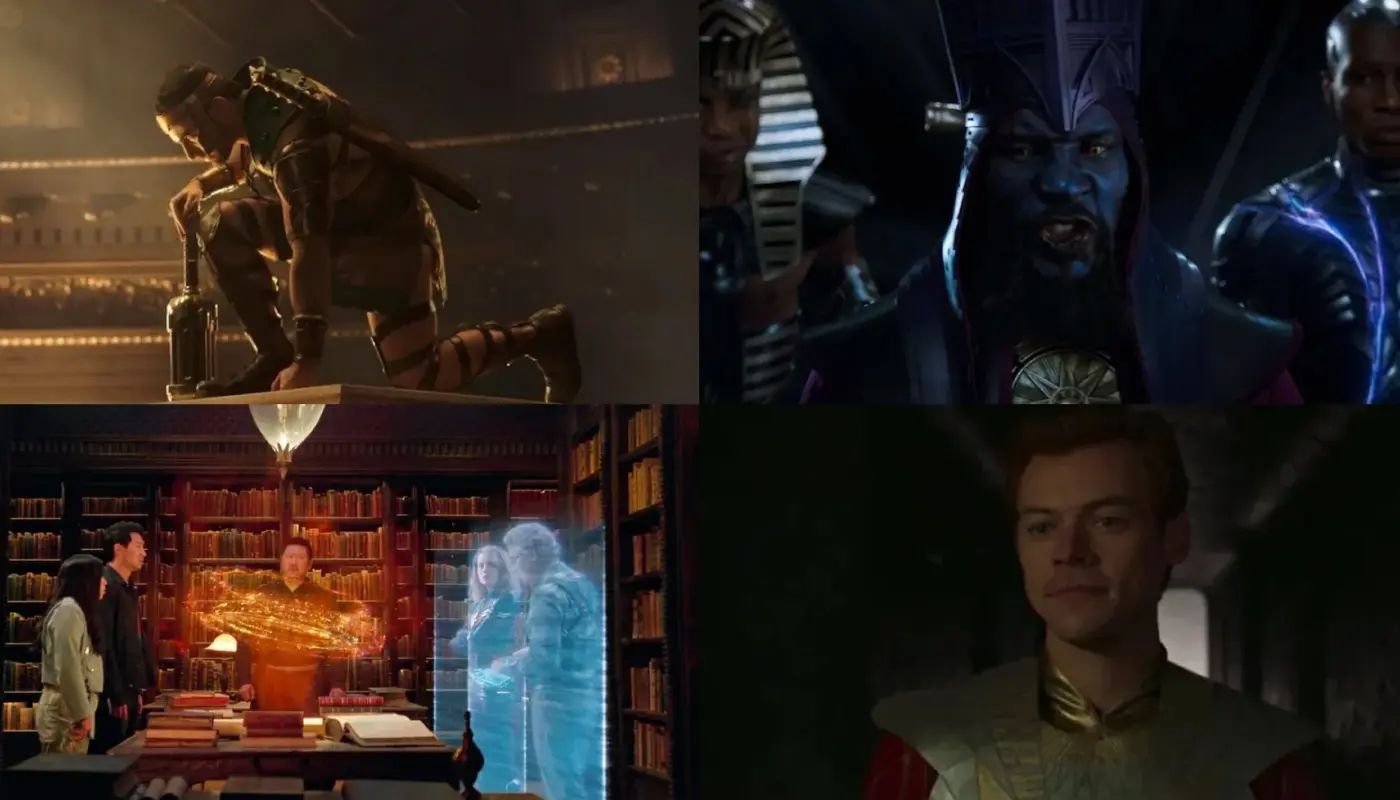
Eternals (2021) teased Fantastic Four, then delayed them three years—trust erosion. Spider-Man: Far From Home (2019) faked out with J. Jonah Jameson reveal, brilliant but divisive. The worst? Nothing—empty credits breed Twitter rage.
Directors now negotiate “post-credit veto power” in contracts. Smart studios balance reveals: 60% franchise teases, 30% character returns, 10% gag reels. Formula perfected, but creativity required—stale teases kill franchises.
Final Verdict
That Iron Man Nick Fury moment rewired my brain—bolted upright, popcorn forgotten. Every theater trip became Easter egg hunt; friendships tested by “did you stay?!” arguments. Post-credits turned passive viewing into active participation.
Marvel didn’t invent cinema, but invented modern blockbuster ritual. Next tentpole? I’ll wait—because cinema now demands it. Tradition born from one eyepatch, now etched in pop culture eternity.
