
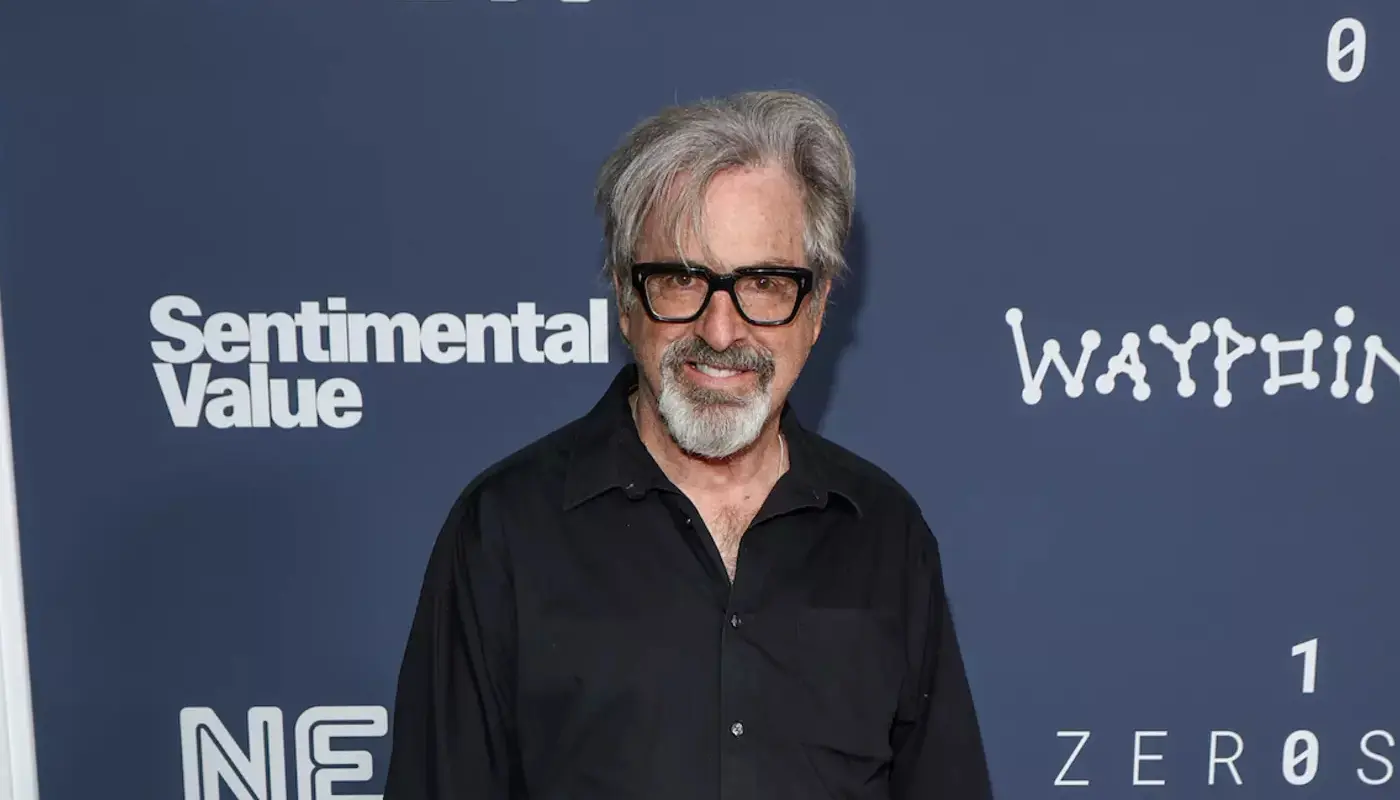
The entertainment world is in a state of deep reflection and mourning following the news that Robert Carradine, the versatile actor who became a cultural fixture through his work in Revenge of the Nerds and Lizzie McGuire, passed away on February 23, 2026, at the age of 71.
Robert Carradine Has Passed Away at 71
The news of Robert Carradine’s death was first reported by Deadline and subsequently confirmed through a poignant statement from the Carradine family. In an era where celebrity deaths are often shrouded in vague “natural causes” placeholders, the Carradines chose a path of radical honesty.
The family confirmed that Robert took his own life on Monday, February 23. His brother, Academy Award winner Keith Carradine, spoke further on the decision to be transparent about the cause of death. He described Robert as the “bedrock” of their family and emphasized that there is “no shame” in the illness that eventually took his brother’s life.
By choosing to highlight the mental health struggles Robert faced, the family hopes to turn a tragic loss into a moment of awareness, encouraging others to address the stigma surrounding mental illness.
The Carradine Dynasty: Born into the Craft
To understand Robert Carradine’s place in Hollywood, one must look at the “carrier” information of his lineage. Robert was the youngest son of John Carradine, a legendary character actor of Old Hollywood known for his roles in The Grapes of Wrath and various horror classics.
Robert was part of a sprawling acting tree that included:
Robert made his debut in 1971 on an episode of Bonanza, but his first major cinematic splash came in 1972’s The Cowboys, where he starred alongside John Wayne. Even as a teenager, Robert possessed a naturalistic, unassuming screen presence that allowed him to stand his ground next to industry titans.
Robert Carradine’s Career: A Hollywood Journey
Rather than focusing on unverified rumors, it’s worth celebrating Robert Carradine’s enduring contributions to film and television.
Born on March 24, 1954, Robert Carradine carved out his own identity within a famous acting family. While the Carradine name carried weight in Hollywood, Robert developed a career defined by quirky, intelligent, and often unconventional characters.
Breakthrough Role: Revenge of the Nerds
For many audiences, Carradine will always be synonymous with Lewis Skolnick in Revenge of the Nerds. Released in 1984, the comedy became a cultural phenomenon and a defining film of the decade.
As Lewis, Carradine portrayed an awkward yet determined college freshman who forms a fraternity of self-described “nerds” to stand up against campus bullies. The film’s underdog theme resonated strongly with viewers and turned Carradine into a recognizable face almost overnight.
Though the movie has since sparked debate about certain elements that haven’t aged well, its cultural footprint remains significant. The role cemented Carradine’s place in pop culture and made him an unlikely but beloved leading man.
Expanding His Range
Carradine’s career, however, extends well beyond a single iconic role. Earlier in his career, he appeared in The Big Red One, directed by Samuel Fuller. The war drama showcased a more serious side of his acting abilities and demonstrated that he could handle emotionally complex material.
Throughout the 1980s and 1990s, Carradine continued to work steadily in both film and television. His versatility allowed him to move between comedy, drama, and even science fiction projects with ease. Younger audiences may recognize him from the Disney Channel series Lizzie McGuire, where he played Sam McGuire, the father of Hilary Duff’s titular character. This role introduced Carradine to a new generation and showcased his ability to portray warm, relatable family figures.
The Carradine Legacy
To understand why rumors surrounding Robert Carradine’s death generate such strong reactions, one must consider the broader Carradine family legacy.
The Carradines represent one of Hollywood’s most notable acting dynasties. Spanning multiple generations, the family has collectively appeared in hundreds of films and television series. From classic Westerns to modern dramas, their influence stretches across genres and eras.
Robert Carradine, in particular, has always occupied a unique space within that lineage. While his father often played imposing or villainous characters, and his brother David embodied martial arts mystique, Robert frequently gravitated toward underdog roles — characters marked by intelligence, vulnerability, and persistence. That distinct screen presence helped him stand apart, even while carrying a famous surname.
Legacy and Impact
| Key Milestone | Year | Significance |
|---|---|---|
| Film Debut | 1972 | Starred in The Cowboys with John Wayne |
| Coming Home | 1978 | Demonstrated his dramatic range in the Oscar-winning drama |
| The Long Riders | 1980 | Starred alongside his brothers David and Keith | Revenge of the Nerds | 1984 | Defined a generation’s view of the “underdog” | Lizzie McGuire | 2001-2004 | Became a global father figure for the Disney generation | King of the Nerds | 2013-2015 | Executive produced and hosted the hit reality series |
Final Thoughts: The Beacon of Light
Robert Carradine leaves behind three children—Ever, Marika, and Ian—as well as his grandchildren and his brother Keith. His passing is a somber reminder of the fragility of life, but his body of work remains a testament to his talent.
He moved seamlessly between independent cinema, Hollywood blockbusters, and children’s television, always bringing a sense of “humanity” to his characters. He wasn’t interested in being a “movie star” in the traditional sense; he was interested in being an actor who could tell the truth. In the words of his family, “Bobby was always a beacon of light.” Though that light has been extinguished far too soon, the glow of his performances will continue to provide comfort and laughter to audiences for years to come.
Rest in peace, Robert. You taught us that it’s okay to be a nerd, it’s okay to be a dad who doesn’t have all the answers, and most importantly, it’s okay to struggle.
