
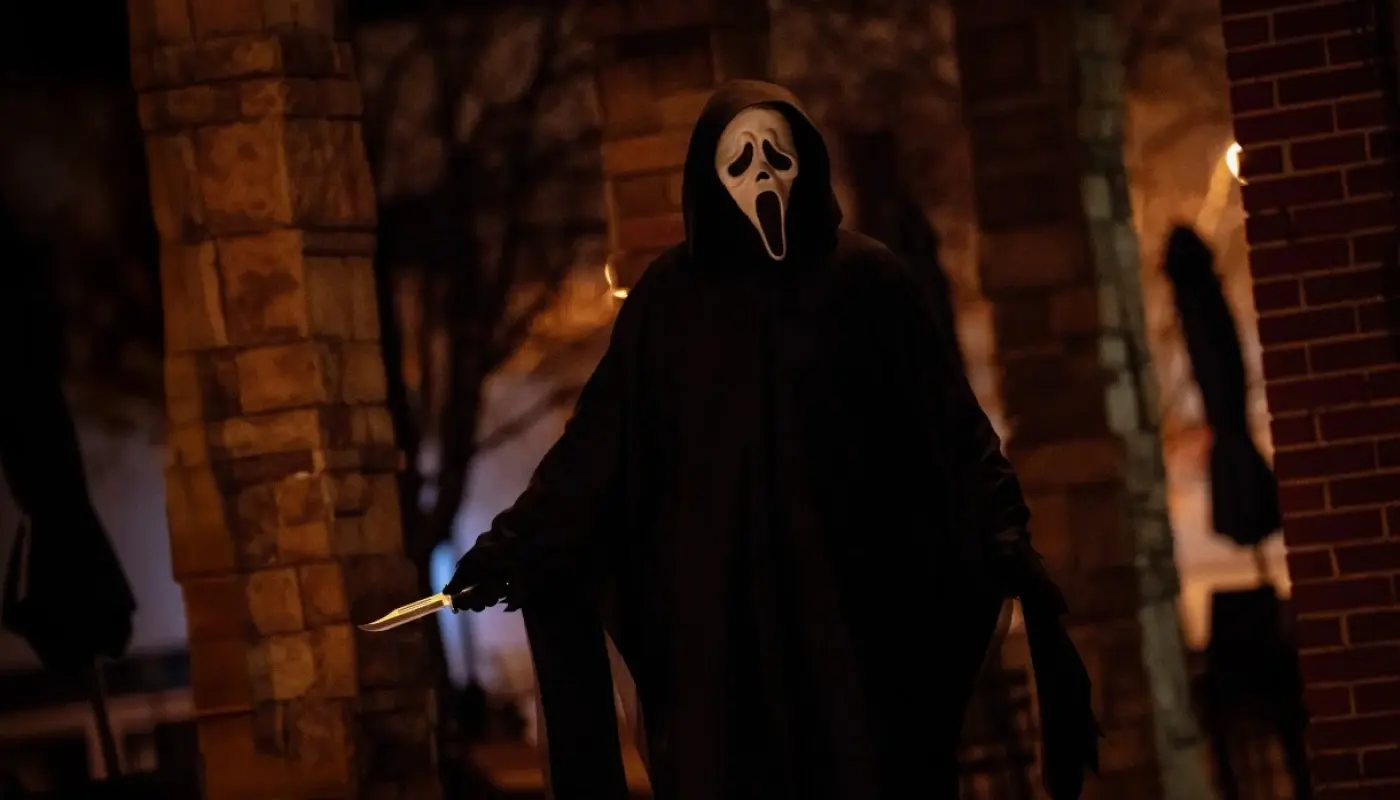
The return of Ghostface is always an event. For nearly three decades, the Scream franchise has balanced razor-sharp satire, shocking reveals, and genuine emotional stakes in a way few horror series have managed. With Scream 7, expectations were sky-high. The marketing promised a bold continuation, the comeback of legacy characters fueled nostalgia, and fans hoped for a reinvention after the commercial momentum of Scream VI.
Let’s break it all down: the plot, cast, ending, and what this chapter means for the future of Ghostface.
A Strong Opening That Recaptures the Magic
One thing Scream 7 absolutely gets right is its opening. The franchise has always thrived on its first act, beginning with the iconic 1996 classic Scream directed by Wes Craven. That legacy of inventive, tension-filled introductions continues here.
The film wastes no time setting up its central mystery. A chilling phone call. A brutal murder. A carefully placed clue. The pacing in the first 30 minutes feels sharp and purposeful, reminding viewers why this series once redefined slasher storytelling.
Unlike some previous sequels that leaned heavily into meta-commentary, Scream 7 initially feels grounded. The stakes are personal. The danger is immediate. The film promises a psychological angle that suggests we’re heading toward something darker and more emotionally devastating.
That promise, however, becomes part of the disappointment.
Plot Overview (Spoiler-Free)
Without diving into major spoilers, Scream 7 follows a familiar but serviceable structure. Ghostface returns, targeting a tight-knit group with connections to the past killings. As bodies pile up, suspicion spreads across friend groups and legacy characters alike.
The story attempts to juggle three threads:
-
1. A new generation navigating trauma and paranoia
-
2. The emotional weight carried by returning survivors
-
3. A mystery designed to outsmart long-time fans
For much of the runtime, these threads hold together surprisingly well. The screenplay sprinkles red herrings effectively. The dialogue occasionally hits that sharp, self-aware tone audiences expect. And the tension in several chase sequences is genuinely effective.
But everything hinges on the final reveal.
The Ghostface Reveal: Where It All Falls Apart
The Scream franchise lives and dies by its final act. The third act confrontation, the monologue, the motive — that’s where each installment earns its place in horror history.
Unfortunately, Scream 7 delivers what might be the least satisfying payoff in the series.
The reveal itself isn’t shocking in a clever way; it feels predictable. Worse, the motive lacks the layered irony that made previous killers memorable. Compare this to the twisted logic in Scream 4 or the dual-killer chaos of Scream 2 — those finales felt audacious and culturally sharp.
Here, the explanation feels rushed and emotionally hollow. The villain’s reasoning doesn’t quite match the psychological buildup the film teases earlier. Instead of a shocking, conversation-sparking twist, we get a reveal that feels more obligatory than earned.
It’s not just that the twist is weak. It’s that the film sets itself up for something far more daring — and never follows through.
Returning Cast: The Film’s Biggest Strength
If there’s one element that keeps Scream 7 afloat, it’s the performances — particularly from the returning cast.
-
Neve Campbell reprises her iconic role as Sidney Prescott, bringing emotional gravity that anchors the film. Sidney’s presence isn’t just nostalgic fan service; she adds a layer of continuity and resilience that few horror protagonists can match.
-
Courteney Cox also returns as Gale Weathers, still sharp-tongued and determined. Her scenes carry energy and a sense of legacy that the newer characters sometimes struggle to generate.
Their chemistry reminds us of what made the franchise special in the first place — character investment. When these characters are in danger, we feel it because we’ve grown with them.
The newer cast members perform admirably, but they don’t quite receive the character development needed to make the third act emotionally explosive. That imbalance ultimately weakens the finale.
Tone and Direction: Confident But Uneven
Tonally, Scream 7 feels torn between homage and reinvention.
At times, the film channels the self-aware humor that defined the early entries. At other moments, it aims for raw emotional trauma. The problem isn’t ambition — it’s cohesion.
Where Scream VI experimented with scale and urban paranoia, this installment plays it safer stylistically. The cinematography is polished. The soundtrack is effective. The kills are brutal enough to satisfy horror fans.
But stylistic polish can’t compensate for narrative weakness. When the final act arrives, the tension dissipates rather than escalates. In a franchise known for explosive endings, that’s a serious flaw.
Audience Reaction: Divided But Passionate
Early reactions suggest a split audience.
Some viewers appreciate the return of legacy characters and the film’s attempt at emotional depth. Others argue that the third act undermines everything that works in the first two-thirds.
In horror franchises, endings matter more than almost anything else. Fans remember the reveal. They debate the motive. They quote the monologue.
It’s hard to imagine Scream 7’s final confrontation entering that hall of fame.
Final Verdict: A Setup That Deserved Better
Scream 7 is not a disaster. It’s competently made, well-acted, and occasionally gripping. Its opening act is one of the strongest in recent franchise memory.
But horror thrives on payoff. And here, the payoff simply isn’t strong enough. The Ghostface reveal lacks bite. The motive feels thin. The emotional crescendo never fully materializes. For longtime fans, there’s enough nostalgia and legacy presence to make it worth watching. For casual viewers, it’s an entertaining slasher with solid tension but limited staying power. In the end, Scream 7 may be remembered less for its kills and more for its missed opportunity — a film that built suspense effectively but stumbled when it mattered most.
Rating: 2.5 out of 5
Ghostface still has life left in the mask. But if the franchise wants to scream louder again, it will need to sharpen its blade — and its storytelling — next time. 🔪
