
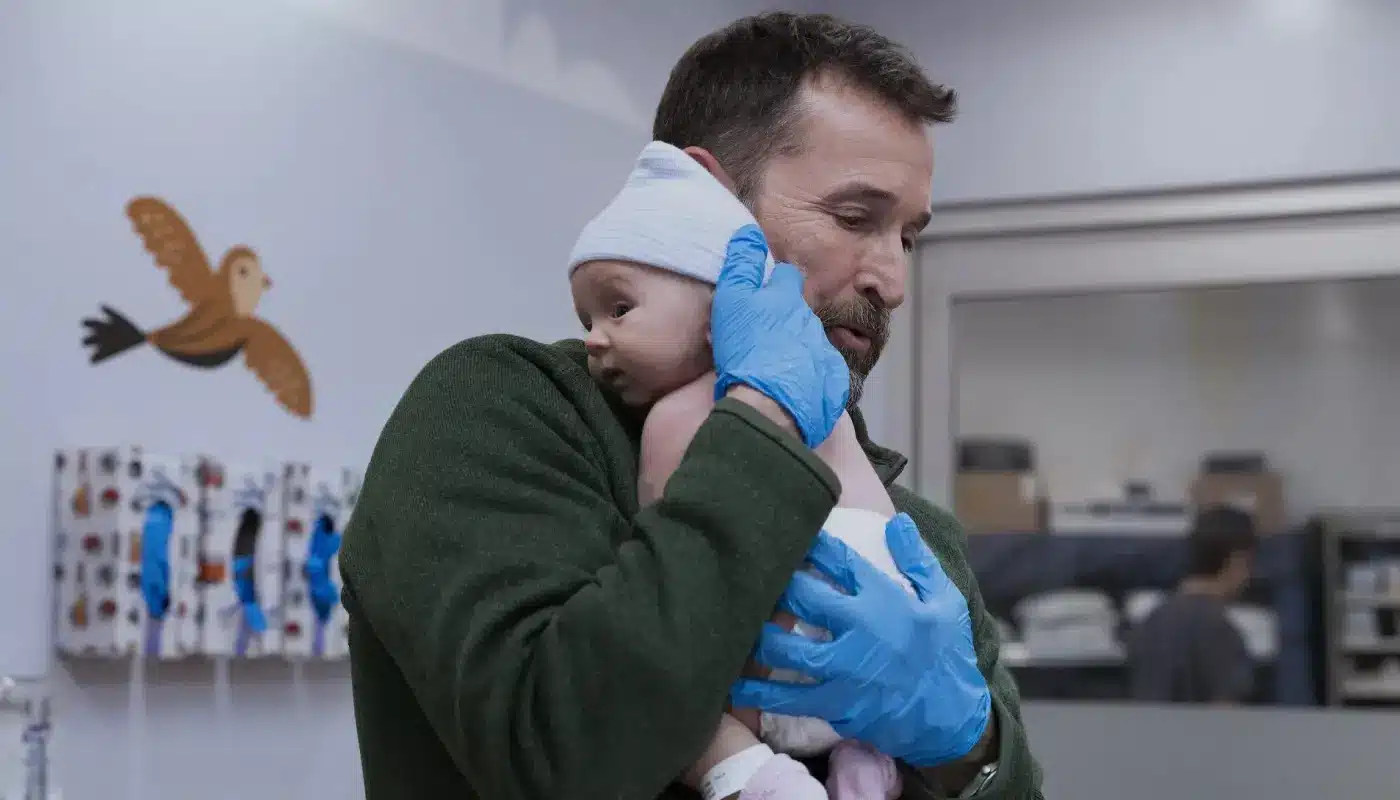
‘The Pitt’ Season 2 brings HBO Max’s breakout medical drama roaring back to life, dropping viewers into another relentless real-time ER shift that’s as stressful, bloody, and oddly comforting as its acclaimed debut. Set ten months after Season 1 and unfolding over a jam-packed Fourth of July weekend at Pittsburgh Trauma Medical Center, this new chapter doubles down on high-stakes medicine and emotional honesty, reminding us why watching good people fight to save lives still feels radical in 2026.
HBO Max’s Medical Drama, TV’s Best Hospital Show
From its opening minutes at 7:00 a.m., Season 2 of ‘The Pitt’ makes one thing very clear: R. Scott Gemmill and his team aren’t interested in reinventing a formula that already works—they’re interested in refining it. Once again, each episode tracks one hour of a single, brutal ER shift, but setting the entire season over Fourth of July weekend instantly raises the stakes, with fireworks injuries, drunk-driving trauma, and citywide chaos pouring through the automatic doors in a near-constant rush.
Noah Wyle’s Dr. Michael “Robby” Robinavitch remains the exhausted, sharp-tongued heart of the series, carrying years of pandemic scars as he juggles impossible medical decisions with the emotional needs of his staff. Wyle plays Robby as a man who’s bone-tired but still incapable of giving up, which gives Season 2 its quiet thesis: the world is broken, the system is failing, but there are still people trying like hell to hold it together, one patient at a time.
Almost the entire Season 1 cast returns, and that continuity is a big reason why Season 2 feels so lived-in. Patrick Ball’s Frank Langdon comes back from rehab shakier but more self-aware, facing a chilly reception from Robby after his drug spiral in the first season; it’s to Ball’s credit that you keep rooting for Langdon even as the show refuses to let him off the hook.[
New additions, like Sepideh Moafi’s Dr. Baran Al‑Hashimi and several fresh med students, slide into the ensemble without ever making the show feel overcrowded. The writers use them to open up different corners of the hospital—chronic pain consults, deposition anxiety, messy personal crises—without losing the core focus on emergency medicine under pressure.
What really separates ‘The Pitt’ from other medical procedurals is how ruthlessly efficient and yet deeply empathetic its structure is. The camera races from one trauma bay to the next—overdoses, heart attacks, fireworks injuries, kids with sports fractures—while still making time for small, devastating moments: a family negotiating end‑of‑life care, a doctor trying not to cry in a supply closet, a nurse cracking a joke to keep a terrified patient calm.
Visually, Season 2 is as grimy and immersive as ever: harsh fluorescent lighting, overcrowded hallways, gurneys lining every inch of space, and blood that looks properly sticky and alarming. Critics are right to call the show “gory” and “gross,” but that shock factor never feels cheap; it’s there to remind you that these people are elbow‑deep in the worst moments of other people’s lives, hour after hour.
Tonally, Season 2 walks a tricky tightrope and rarely slips: it can be blackly funny one minute and emotionally devastating the next. A doctor’s gallows humor about a spectacularly dumb fireworks injury lands harder because you’ve just watched the same team sit with a grieving daughter in silence, letting her process the fact that her father isn’t coming back.
Thematically, the series continues to feel eerily in tune with real‑world healthcare in a post‑pandemic era: underfunding, staffing shortages, burnout, moral injury, and the constant pressure to do more with less. Yet Gemmill and company resist turning ‘The Pitt’ into a lecture; instead, they let those issues bleed naturally into the stories, whether it’s a deposition over a measles case or a quiet argument about hospital policy playing out while someone’s chest is literally open on the table.
By the time you’ve torn through multiple episodes, it’s easy to see why early reviewers are calling Season 2 “every bit as good” as the show’s Emmy‑winning first run and even “one of the best medical television series of all time.” ‘The Pitt’ doesn’t reinvent TV drama, but its mix of precision pacing, grounded performances, and unapologetic empathy makes it feel essential—a brutally intense, strangely comforting reminder that in a cruel world, watching people try to help can still be addictive television.
