
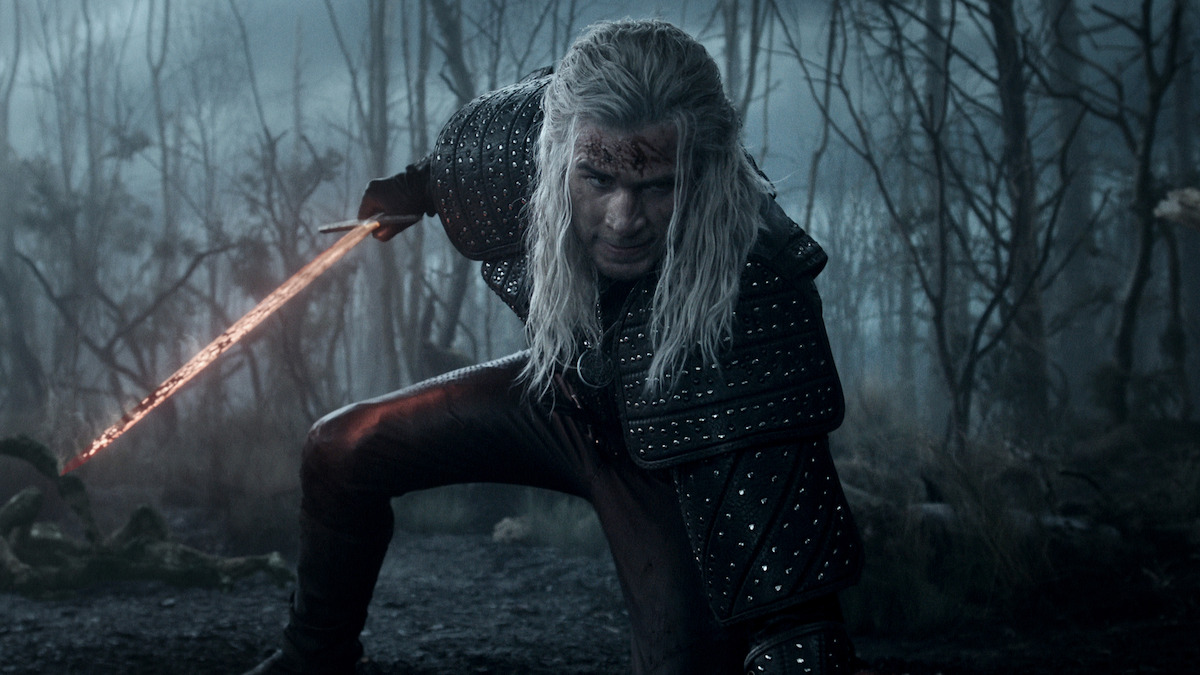
Netflix released an explosive Season 4 trailer for The Witcher, showcasing the beloved fantasy series’ dramatic transformation and commitment to delivering the action-packed, emotionally resonant storytelling that defined the source material and captured audiences worldwide. The trailer reveals major cast changes, including the departure of Henry Cavill’s Geralt and introduction of Liam Hemsworth as the new monster-hunting protagonist, alongside continued performances from beloved supporting characters. The new season promises intensified magical battles, expanded universe exploration, and character-driven drama exploring Geralt’s complex relationships and moral dilemmas. The Season 4 trailer generated substantial social media engagement, with fans expressing both enthusiasm for the franchise’s continued evolution and nostalgia for Cavill’s definitive interpretation of Andrzej Sapkowski’s iconic character. Netflix’s strategic trailer release positions Season 4 as major event viewing, capitalizing on global Witcher fanbase anticipation while introducing the franchise to new audiences discovering the series through streaming platform prominence.
Sources
Season 4 Trailer: Action, Drama, and Major Cast Changes
Netflix’s Season 4 trailer showcases The Witcher franchise’s ambitious evolution through stunning action sequences, complex character dynamics, and the significant casting transition from Henry Cavill’s Geralt to Liam Hemsworth’s interpretation of the monster-hunting protagonist. The trailer features elaborate battle choreography, magical effects, and intimate character moments balancing the series’ signature blend of action spectacle and emotional storytelling. Cavill’s departure after three seasons generated substantial fan discussion, with many expressing attachment to his definitive Geralt performance. However, Hemsworth’s casting has gradually earned fan acceptance as early glimpses and the Season 4 trailer demonstrate his capability delivering the character’s complexity and physical demands. The trailer positions Season 4 as a reinvention moment—maintaining narrative continuity while signaling fresh creative direction and renewed commitment to delivering the source material’s epic scope and character depth.
Henry Cavill’s Legacy and Liam Hemsworth’s Transition
Henry Cavill’s three-season run as Geralt established the character as iconic superhero adaptation, with the actor’s distinctive white-haired performance capturing the witcher’s gruff exterior and hidden emotional vulnerability. Cavill’s decision to depart from the role generated significant fan reaction, with many viewing his exit as loss for the franchise. However, Liam Hemsworth’s casting gradually gained credibility as the actor underwent physical transformation and demonstrated understanding of Geralt’s complex characterization. The Season 4 trailer provides first substantial glimpse of Hemsworth’s performance, showcasing whether the actor can deliver the character’s distinctiveness while establishing his own interpretive approach. Early social media reactions to the trailer suggest qualified optimism regarding Hemsworth’s performance, with fans recognizing both continuity with established character dynamics and Hemsworth’s distinctive physical and emotional contributions to the role.
Expanded Universe and Narrative Evolution
Season 4 promises continued expansion of The Witcher universe beyond the novels’ original storylines, introducing new characters, locations, and magical conflicts demanding Geralt’s monster-hunting expertise. The trailer hints at elevated stakes, complex political intrigue, and character relationships tested by moral ambiguity and difficult choices. Supporting characters including Yennefer (Anya Chalotra), Ciri (Freya Allan), and other established performers continue their narrative arcs while accommodating Geralt’s casting transition. The expanded universe approach leverages streaming’s episodic format to explore subsidiary characters and storylines beyond the novels, potentially introducing mythology and lore elements appealing to both book fans and general audiences. This narrative expansion strategy maintains franchise vitality while providing creative opportunities for character development and world-building expanding beyond the source material’s original scope.
Fan Reception and Social Media Momentum
The Season 4 trailer generated substantial social media engagement, with Twitter, Instagram, TikTok, and Reddit filled with reaction videos, analysis, speculation about plot developments, and discussion of casting transitions. Witcher fan communities expressed enthusiasm for the new season while processing nostalgia for Cavill’s definitive performance. The trailer’s release generated trending hashtags, viral clips, and sustained fan conversation amplifying Netflix’s promotional reach through organic social media amplification. This passionate fan engagement demonstrates the franchise’s enduring cultural significance and audience investment in continuing narrative development. For Netflix, the organic fan enthusiasm provides invaluable marketing amplification extending far beyond conventional promotional reach, with devoted fan communities generating sustained conversation maintaining series visibility through the release period.
Strategic Release and Streaming Event Positioning
Netflix’s strategic Season 4 trailer release positions The Witcher as major streaming event with franchise significance comparable to tentpole theatrical releases. The trailer drop timing, promotional strategy, and sustained marketing build anticipation for the season’s arrival, generating subscriber interest and retention value. For Netflix, The Witcher represents cornerstone franchise justifying subscription value through prestige content, ensemble cast excellence, and complex storytelling appealing to quality-focused audiences. The series’ continued development and substantial production budgets reflect Netflix’s commitment to maintaining premium content positioning amid competitive streaming landscape. Season 4 represents test case for whether lead actor replacement can maintain audience loyalty and critical credibility—outcome with significant implications for other major franchises potentially facing similar casting transitions.
The Witcher’s Cultural Significance and Future Trajectory
Since its 2019 debut, The Witcher has achieved significant cultural prominence, establishing Netflix as destination for prestige fantasy content and expanding entertainment industry’s adaptation of gaming and literary properties. The series’ critical success, audience enthusiasm, and franchise expansion (including the Witcher: Blood Origin spinoff) demonstrate how streaming services leverage established intellectual properties to build sustainable entertainment brands. Season 4’s success will significantly influence Netflix’s broader franchise strategy, determining whether major cast transitions maintain audience loyalty and whether expanded universe approaches sustain creative quality. For entertainment industry observers, The Witcher’s trajectory from niche gaming adaptation to major streaming franchise provides instructive case study in how streaming platforms identify, develop, and evolve intellectual property into sustainable entertainment brands competing at prestige and commercial levels simultaneously.
